
Photo Credit: Daria Shevtsova
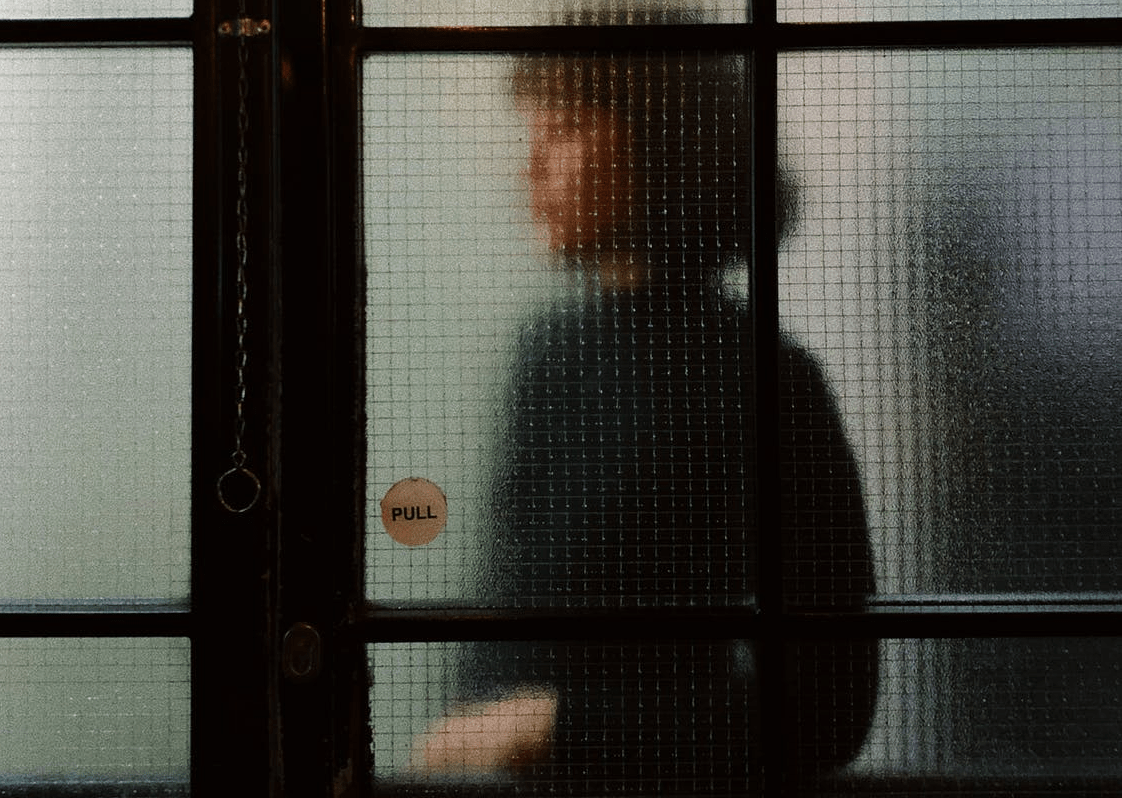
If you have ever heard the saying “what you don’t know can’t hurt you,” you know that’s not entirely a true statement. In fact, it can be very false, depending on the usage. A great (or perhaps unfortunate) example of this in the media, as well as life in general, is implicit bias.
Implicit bias can be sort of an elusive thing – hard to recognize until it’s brought to your attention. Most all of us harbor these biases in varying degrees. Implicit bias is a byproduct of where you grew up, how you were raised, your religion and so on. So what exactly is it?
According to Kirwan Institute for the Study of Race and Ethnicity, implicit bias is “the attitudes or stereotypes that affect our understanding, actions, and decisions in an unconscious manner.” This refers to ‘knee-jerk’ reactions we have upon seeing people different than ourselves, both positive and negative.
Implicit bias crops up in journalism quite a bit. Every reporter has a different background, so it’s easy to understand that no two people will see a situation exactly the same way. Sometimes, though, implicit bias is a little uglier and becomes borderline gross negligence. For example:
University of Alabama research found that terrorist attacks involving Muslims received 357 percent more coverage than attacks by others. White terrorists have committed nearly two times more attacks than Muslim extremists – so why don’t we hear more about those incidents?
The answer, unfortunately, is racist implicit biases. As explained by Franklin Gilliam Jr. and Shanto Iyengar in their article ‘Prime Suspects,’ race and crime can become synonymous when repeatedly presented in the media. If only black faces are shown as the suspects for crimes on television, viewers may begin to associate the two with each other.
Similarly, when only people that ‘look’ or ‘sound’ Muslim are shown as terrorists on the news, viewers develop an offensive stereotype. Then, when those viewers report the news, they of course show the ‘Muslim’ terror attacks. To them, Muslim people and terrorists are synonymous. It is unlikely that the reporters delivering theses stories would consider themselves Islamophobic – yet they continue to deliver more of these stories.
That being said, I think a lot of reporters and even just regular people really are unaware of their biases. Some ideas are so deep below the surface that we do not even realize we hold them. People interested in digging into what biases they might hold can take tests online at Project Implicit to delve into the subject. It can be very revealing.
I took several of the tests and was alarmed at some of my results. One of the tests, which is meant to investigate the link between gender and science, was particularly surprising for me. Feminism and the empowerment of women is a huge part of what I believe in and what inspires me, but taking this test my results showed that I naturally associated math and science as being ‘for men’ and the humanities and arts as being ‘for women.’
There’s nothing wrong with arts and humanities – I’m a journalism major! But the fact that by principle I saw math and science as a man’s thing really stung me. When I think ‘scientist,’ I do think of a man in a lab coat. I think women absolutely can and should be scientists. So why do I automatically think first of a man?
I think a lot of people hold implicit biases like these. Internalized sexism, racism, and homophobia are very real and widespread. Implicit bias is harmful; it can skew our reporting and cause unwarranted and unintentional hurt. It will take a long time, I think, to minimize and erase the damage we inflict little by little with these deep-rooted fears and prejudices. But being aware of implicit bias and working to overcome it is a good first step.
 Sidney Richardson: Blog
woah this was a really interesting piece. I took some of the implicit bias tests myself and was shocked at the results. thanks for proving that what you don’t know can hurt you 😉
LikeLike